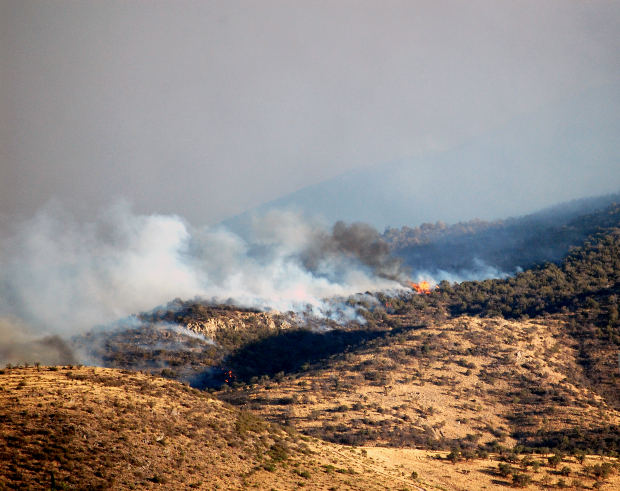
Fire
Drought and Wildfire
The current Californian drought presents more problems than are apparent at first glance. One factor that contributes to the danger of wildfires is the fire-suppression strategies of the recent past.


The current Californian drought presents more problems than are apparent at first glance. One factor that contributes to the danger of wildfires is the fire-suppression strategies of the recent past.

California is not the only place in the world with drought-tolerant trees, and many exotic species are equally suited for surviving low-water periods.

99.8 percent of California is suffering from some state of drought, and it is taking a toll on our trees. Indeed, without concerted efforts, our state stands to lose much of its natural and urban forests. Unfortunately, the best thing for our trees – copious amounts of water – is not available.

As the drought becomes more and more severe, and citizens and policy makers try to figure out mitigation strategies, it is helpful to examine the approaches that have helped other regions survive these parched periods. While it may not be advantageous to mimic their strategies in all respects, it is valuable to learn what has and has not worked in other places.
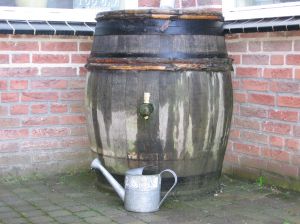
Urban runoff is the largest cause of ocean pollution in southern California. Our many roads and sidewalks whisk the polluted water from our highways and

One of the most exciting things about low impact development projects is that they usually save developers and communities money. In fact, according to a
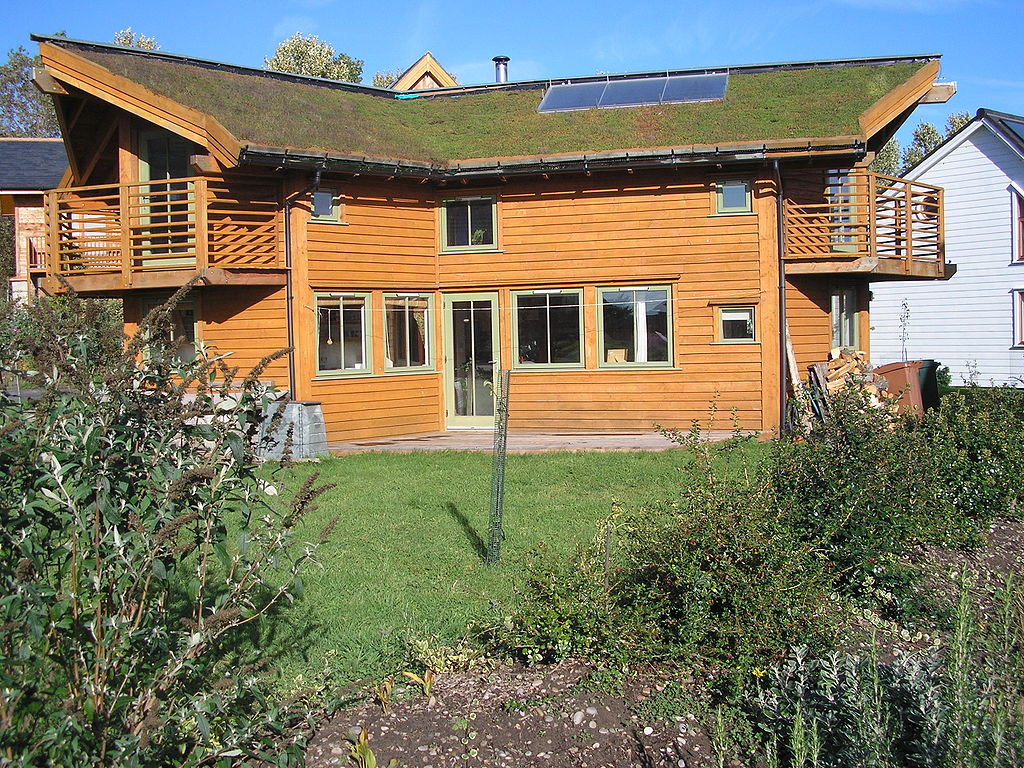
Storm water runoff is a significant environmental problem for the Los Angeles area, as it contributes to ocean pollution and exacerbates drought conditions. Low impact
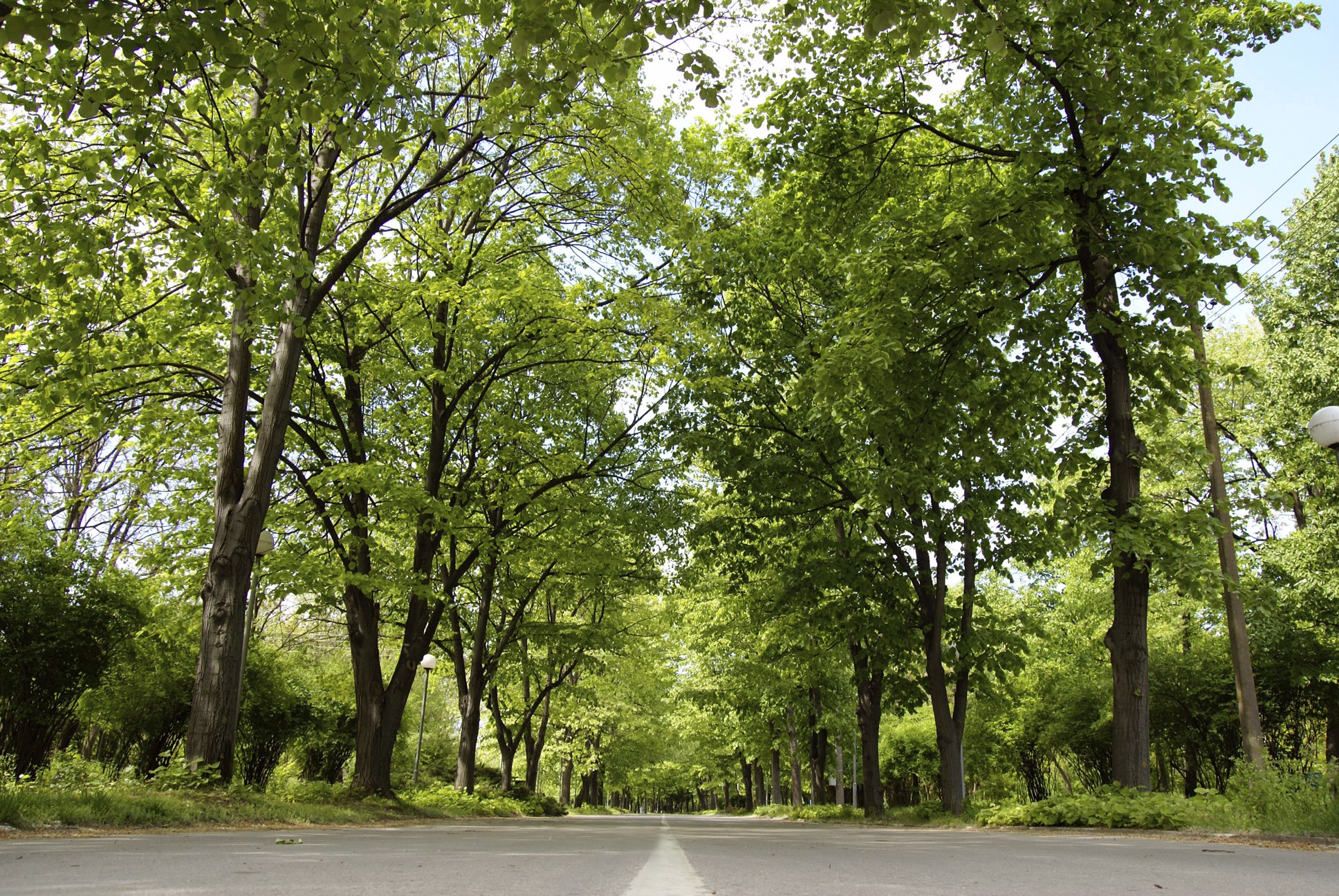
Despite recent efforts to reduce carbon emissions and protect green spaces, the natural world continues to struggle as it attempts to cope with human development.

Nearly 6,000 years ago, in what is now Iraq, the Mesopotamians took an important step that would forever change the world: They turned the region’s
Invasive pests and fungi are some of the deadliest threats to many trees. Because the trees under attack have not evolved mechanisms to combat the