Pawpaw Tree
A couple of different species in the genus Asimina go by the name pawpaw, but the common pawpaw (Asimina triloba) is far and away the


A couple of different species in the genus Asimina go by the name pawpaw, but the common pawpaw (Asimina triloba) is far and away the

Michael Green became a Registered Member of the American Society of Consulting Arborists. He joins his father, Ruben Green, as a Registered Consulting Arborist in the
Along with its relatives poison ivy (Toxicodendron radicans) and Pacific poison oak (Toxicodendron diversilobum), Poison sumac (Toxicodendronvernix) is one of the most notorious plants on Earth. Growing as a shrub or small tree, poison sumac can reach 20 feet in height, although they are usually somewhat smaller.
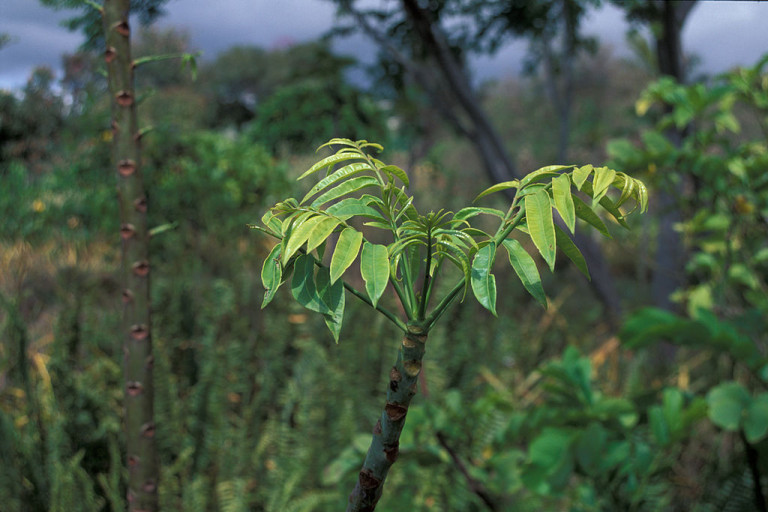
Approximately 17 species comprise the genus Spondias. Although they are most commonly called mombins, names like hog plum, gully plum, Spanish plum and golden apple are also applied to these trees. However, mombins are only distantly related to true apples and plums, so many of these alternative names are misleading.

Sumacs are a varied group of shrubs and small trees. Yet despite this diversity, most sumacs share a set of similar traits, including pinnately compound leaves, fruit comprised of clustered drupes and small adult size – the largest members of the group reach about 30 feet in height. Many sumacs play important roles in natural ecosystems, while others are popular ornamentals.
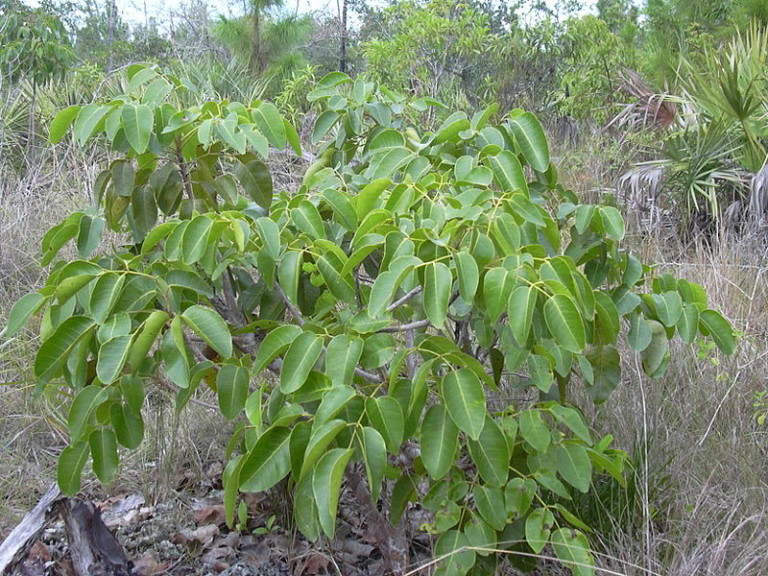
Poisonwood trees (Metopium spp.) are small to medium sized trees, native to Florida, Mexico, Central America and several Caribbean islands. As their common name indicates, they contain harmful chemicals, which limits their commercial value.
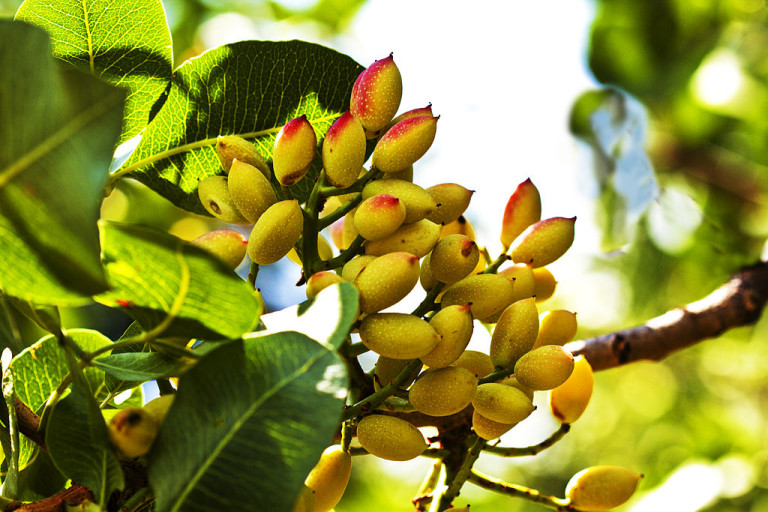
About 16 trees native to parts of Europe, Africa, Asia and the Americas comprise the genus Pistacia. They vary widely in growth habit – some are small and shrub-like, while others mature into 50-foot-tall trees.
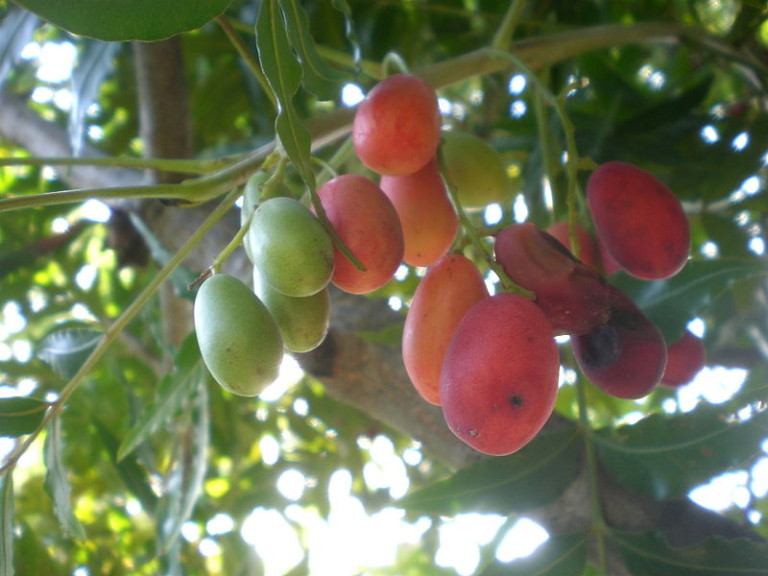
Despite their common name and habit of producing edible fruit, wild plum trees (Harpephyllum caffrum) are not closely related to the plums trees that produce the fruit that fills the shelves of your local grocer (those plums belong to the genus Prunus).
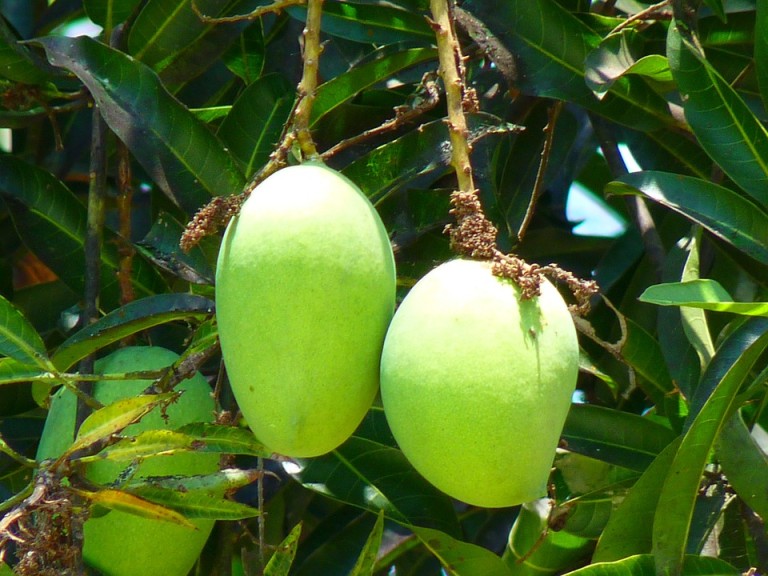
The common mango tree is the most widely planted and well-known member of the genus Mangifera. Designated by botanists as Mangifera indica, the tree is most famous for its delicious fruit, which is enjoyed by people all over the world. Mango trees are also grown ornamentally in yards large enough to accommodate their impressive size.