
Type of Tree
Sago Cycad and Their Relatives
Trees of the genus Cycas are primitive gymnosperms that superficially resemble palm trees. However, they are quite distinct from true palms, and form an entirely different lineage.


Trees of the genus Cycas are primitive gymnosperms that superficially resemble palm trees. However, they are quite distinct from true palms, and form an entirely different lineage.

Appearing somewhat like palms or ferns, African cycads are primitive trees, native to the southern half of Africa. As part of the family Zamiaceae, African cycads display many similarities to their relatives in other genera.
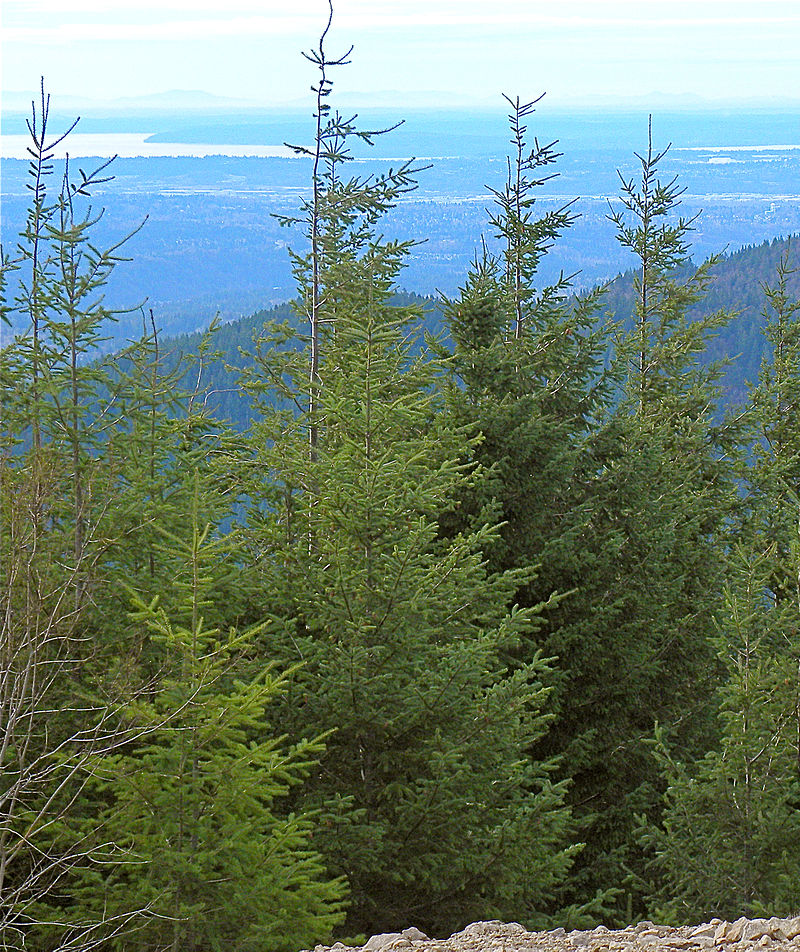
Approximately six species comprise the genus Pseudotsuga, colloquially known as the Douglas-firs. They are some of the most iconic trees of the Pacific Northwest, and they often grow as pure or nearly pure stands. The trees are very important commercially, which has caused them to become interwoven with local cultures. For example, Douglas-firs are Oregon’s official state trees.

Podocarpus is a genus of trees and shrubs, primarily restricted to the southern hemisphere. Most of the 100 or so species in the genus are dioecious (meaning that individuals produce either male or female reproductive structures – not both) and possess elongated leaves, varying from about 1/2 to 6 inches in length, with a distinct midrib

The eight or so described hemlock species (Tsuga spp.) are evergreen trees who reproduce through cones, like all other living conifers. However, because of their preferred habitats – cool, rainy areas — hemlocks exhibit a variety of traits and tendencies that are at odds with most other conifers.

Santa Monica stands in the top tier of tree-friendly cities in both the country and the world – no small feat for a city that is built on a historically tree-poor habitat.

Santa Monica is often heralded as one of the most tree-friendly cities in the country and that is a hard contention with which to argue
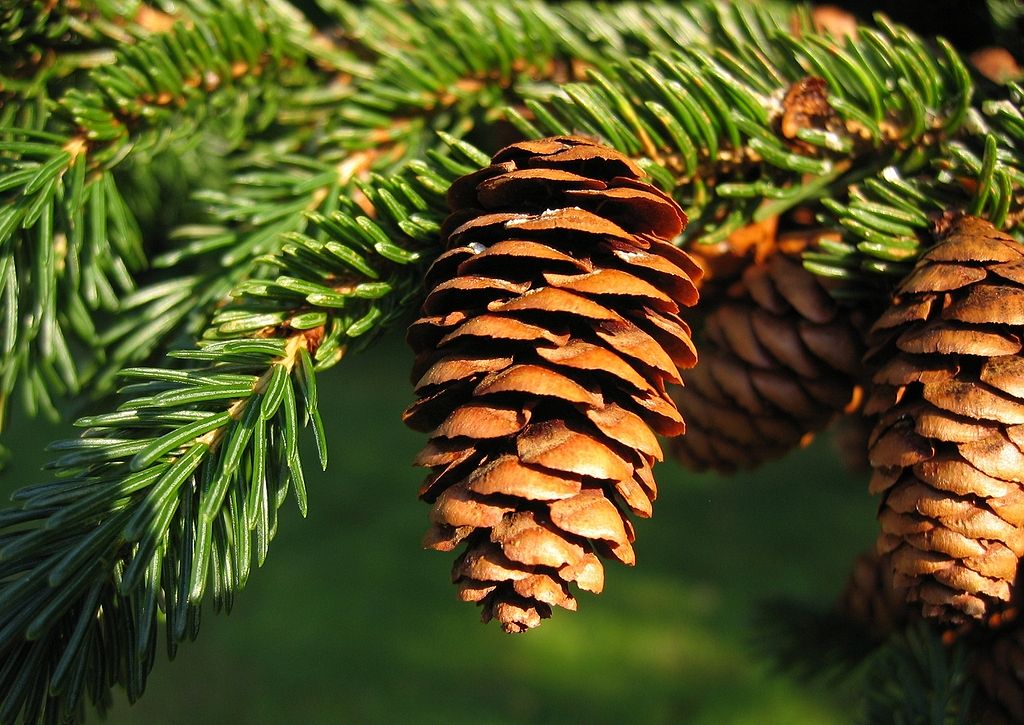
About 35 species make up the genus Picea – the spruces. Like other members of the family Pinaceae, they are evergreen conifers, related to the hemlocks (Tsuga spp.), firs (Abies spp.) and Douglas firs (Pseudotsuga spp.); however, their closest relatives are the pines (Pinus spp.).

Clad in evergreen needles and decorated with handsome woody cones, pine trees (Pinus spp.) are among the most recognizable trees in the world. In addition to their aesthetic charm, pine trees provide a variety of resources to the ecosystems in which they grow.
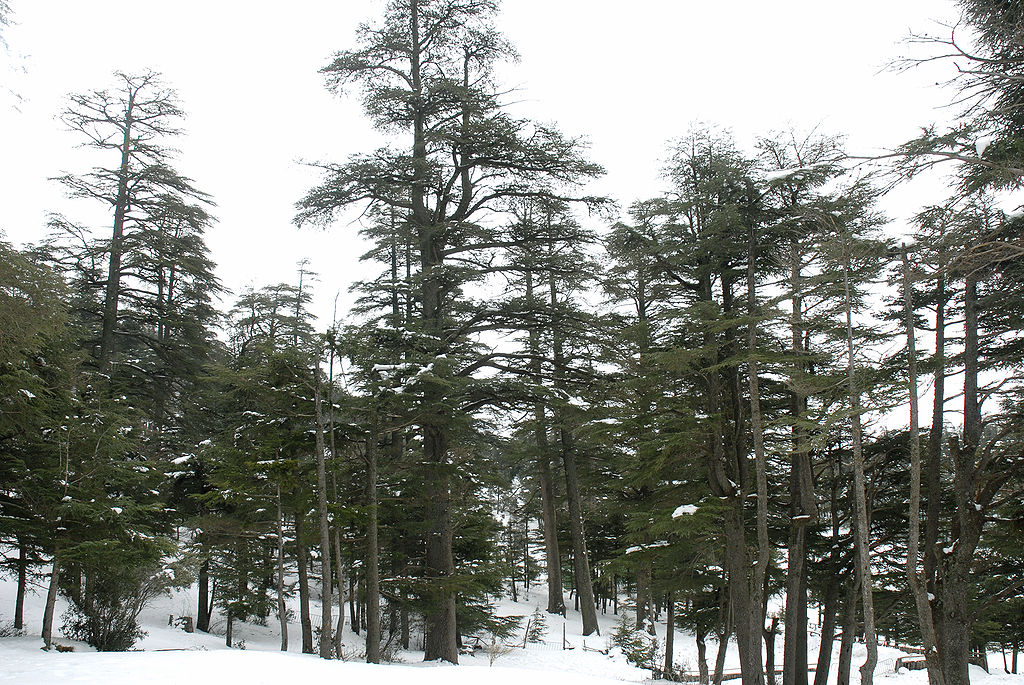
The term “cedar” is applied to so many different types of trees that many tree professionals, farmers and botanists refer to trees of the genus Cedrus as “true cedars.”