
Type of Tree
Larches
Larches are medium to large trees of the genus Larix. Scientists debate the finer points of the group’s interrelationships and classification, but most recognize about 10 to 15 species.


Larches are medium to large trees of the genus Larix. Scientists debate the finer points of the group’s interrelationships and classification, but most recognize about 10 to 15 species.

Examination of the needles helps to distinguish fir trees from lookalikes. Fir needles are generally soft to the touch, flat in cross section and attach to the branch via suction-cup-like structures
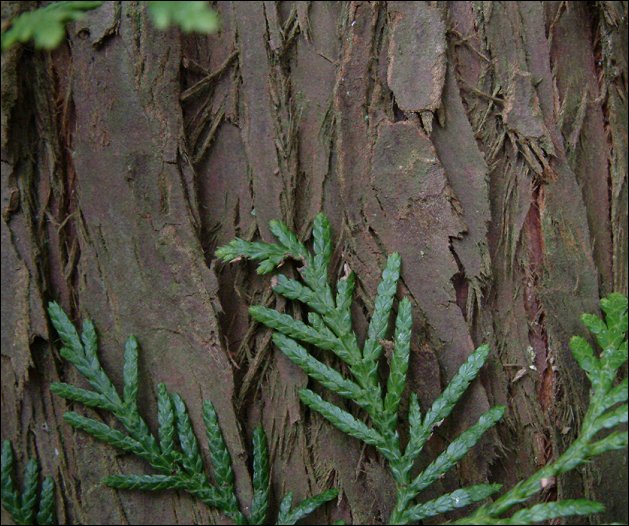
Arborvitaes are evergreen conifers, native to North America and Asia. Thanks to their hardy nature, they are quite popular among homeowners, arborists and landscape designers.

Coastal redwoods (Sequoia sempervirens) are among the most famous trees in the world. Most of this fame precipitates from their incredible size, as they are among the tallest species on Earth.

Giant sequoias (Sequoiadendron giganteum) are famous for being some of the largest organisms on the planet. Known colloquially as big trees, Sierra redwoods, Sequoiadendrons, or simply sequoias, these trees have been one of the most important species in Northern California for millions of years.
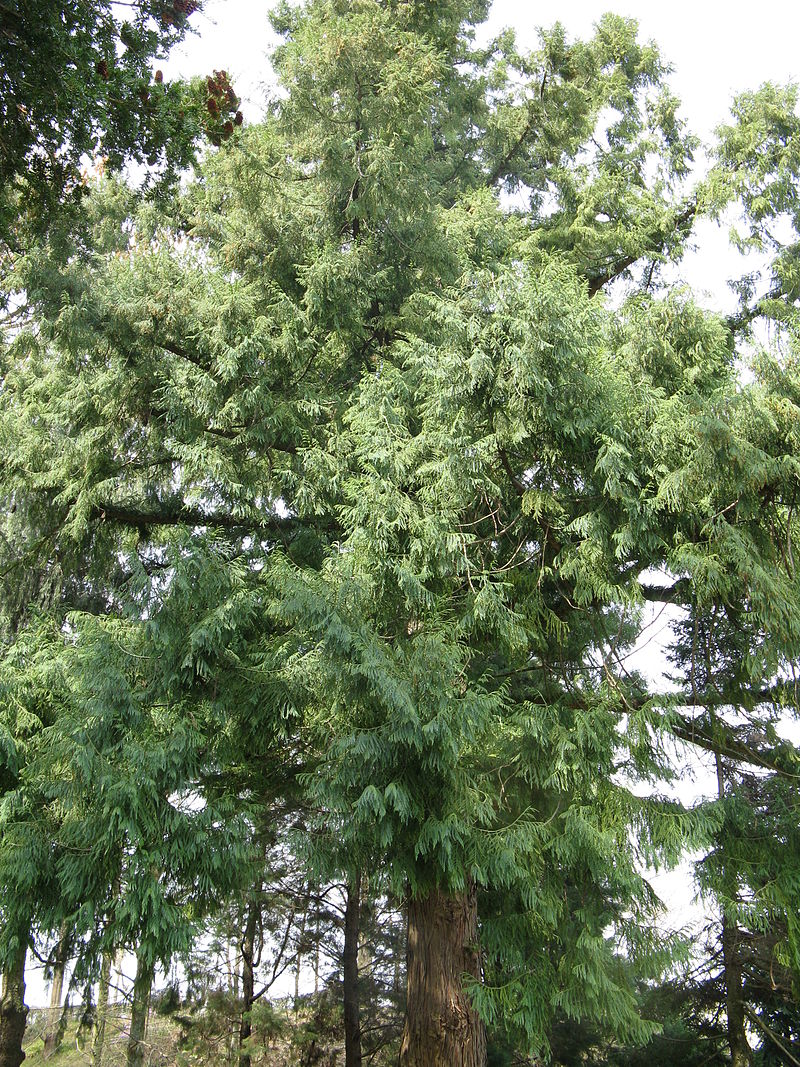
Taiwania trees (Taiwania cryptomerioides) are large evergreens, native to East Asia. Relatively poorly known among North American tree enthusiasts, these immense trees can make interesting specimen trees in yards and commercial areas, provided that you can find specimens for sale.

Found in swamps, floodplains and riparian areas throughout the Deep South, bald cypresses (Taxodium distichum) are some of the most iconic trees in the country.
TreePeople volunteers water a tree at the Los Angeles Equestrian Center Martinez Arena in Griffith Park, Friday, July 31, 2015, in Los Angeles. As Californians

In fact, recent estimates by U.S. Forest Service suggest that the drought has killed off at least 12 million trees from National Forest lands. Before the end of the summer, millions more are expected to perish. And although they are not true trees, Joshua trees (Yucca brevifolia) – perhaps the most iconic denizens of the desert and well suited for amazingly arid conditions – are even starting to die, courtesy of the drought.

As we strive to cope with the current drought – which has now lasted about 4 years – we must be sure that our state’s street trees do not get lost in the shuffle. Not only do street trees improve property values, reduce crime and improve the health of those living near them, they help mitigate some of the effects of the drought.