
Cashew Trees
Most famous for the delicious nuts they produce, cashew trees (Anacardium occidentale) are medium-sized evergreen trees, historically native to Brazil.

Most famous for the delicious nuts they produce, cashew trees (Anacardium occidentale) are medium-sized evergreen trees, historically native to Brazil.

Smoketrees (Cotinus spp.) derive their common name from their wispy, filamentous flowers, which appear like puffs of smoke when viewed from a distance. Because they are very easy to grow and add unique beauty to suburban landscapes, smoketrees are very popular ornamentals, often planted as borders or hedges.
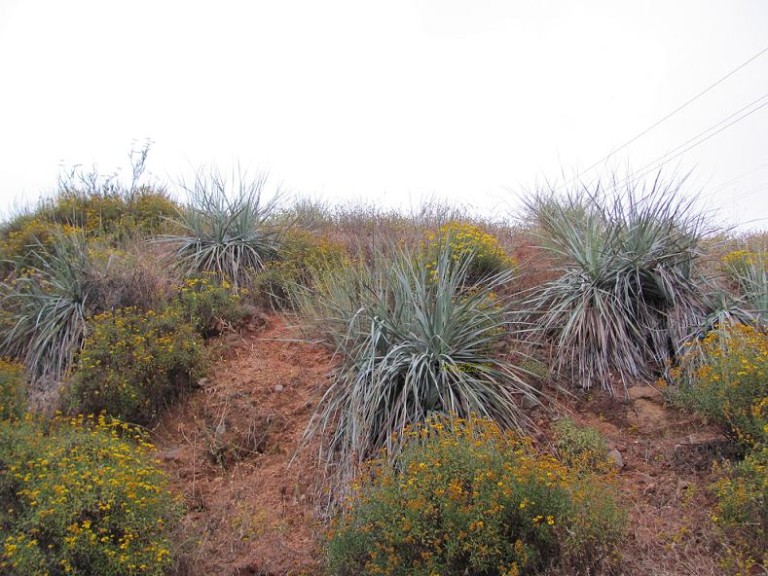

While most beargrasses (Nolina spp.) look rather similar, two traits characterize every species in the group: tall, pale inflorescences and serrated, grass-like leaves.

About 15 woody plant species form the genus Cordyline. While botanists and horticulturists typically refer to the plants by their scientific names, laypersons often use names like cabbage trees, lily trees, or ti trees to refer to members of this genus.

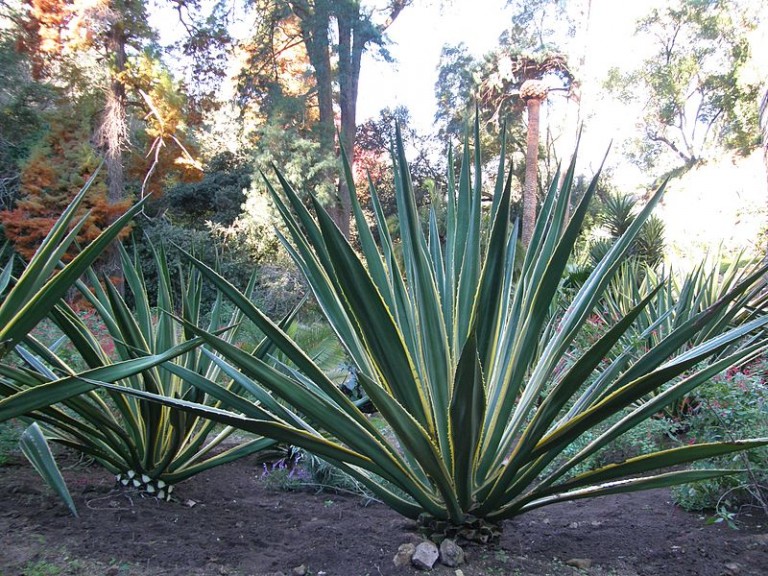
Native to Central and South America, the plants of the genus Furcraea are popular and interesting ornamental succulents. However, these plants – which go by an incredible array of names in nurseries and garden centers – are not only important to homeowners and landscapers; they play a large role in the lives of rural communities that have benefited from these plants for hundreds of years.

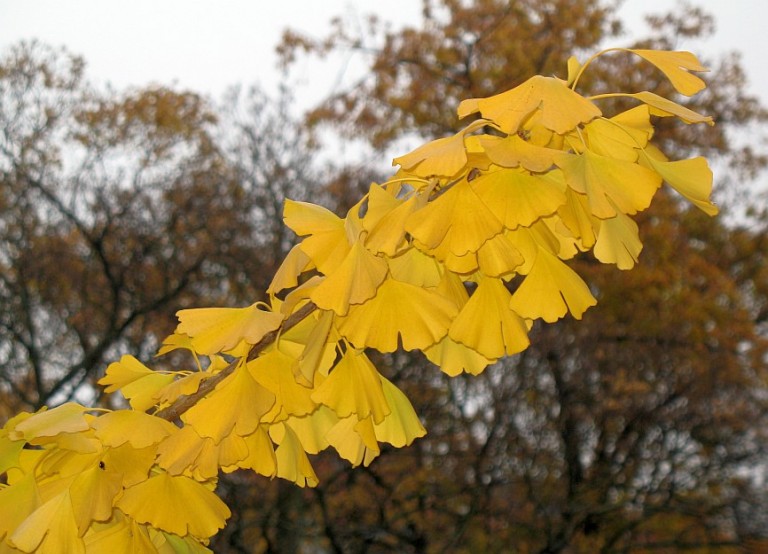
Blessed with an impressive form, a hardy nature and unique leaves, maidenhair trees (Gingko biloba) are as attractive as they are interesting. With evolutionary roots extending deep into geological time, these leftovers of an ancient world have proven to be resilient survivors, who are even capable to thriving in 21st Century urban habitats.

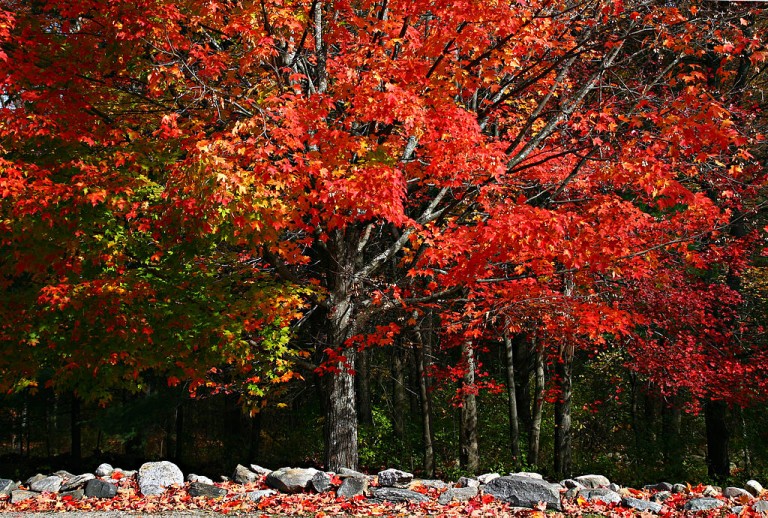
Maples (Acer ssp.) are some of the most beautiful and familiar trees in the world. In most places, they are an inescapable component of the natural world.

Japanese umbrella pines are unusual-looking trees that rarely solicit lukewarm opinions – as explained by the University of Florida Extension Service, “people either love this tree or won’t even look at it.” The whorled tufts of evergreen needles found at the end of the trees’ branches are said to resemble umbrellas, hence the species’ common name.

Native to most of Europe and Asia, as well as northern Africa and North America, yew trees (Taxus spp.) are ancient species that have been associated with human culture for millennia.

Trees of the genus Cycas are primitive gymnosperms that superficially resemble palm trees. However, they are quite distinct from true palms, and form an entirely different lineage.